


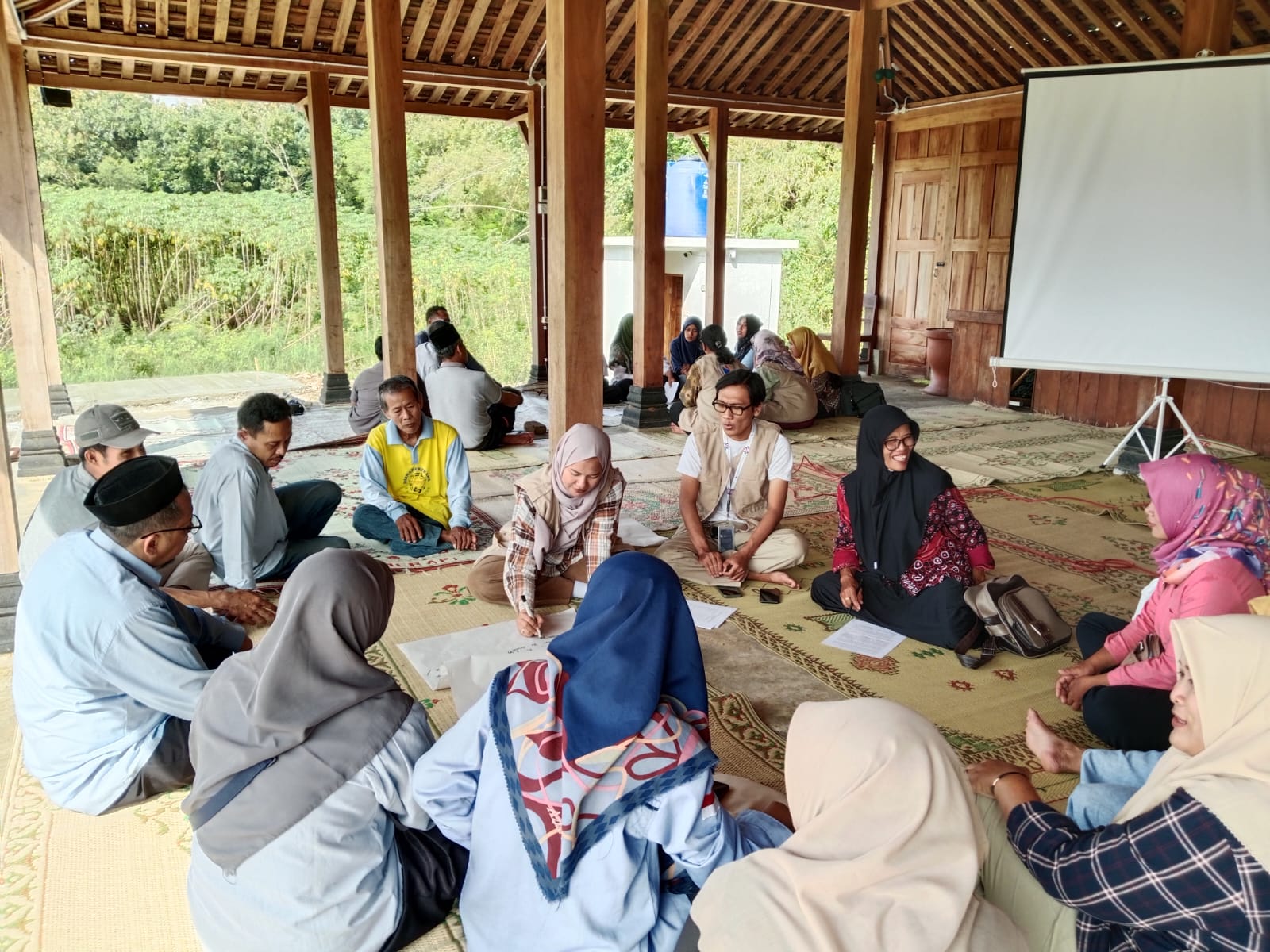
BANTUL – Efforts to create a safe space for vulnerable groups continue to be strengthened from the grassroots level. On Tuesday (10/3/2026), the Indonesian Justice and Peace Foundation (YKPI) and the Sriharjo Village Government held intensive mentoring sessions in Lumbung Mataram, Sriharjo, Imogiri. The goal was to develop a complaint process and standard operating procedures (SOP) for handling violence against women, children, and persons with disabilities.
This step is very important because the village is the closest level of government to the people. With a clear and systematic process, victims of violence in rural areas will no longer feel lost or confused when seeking justice and support.
Learning from Real Cases: Role Play and Simulations
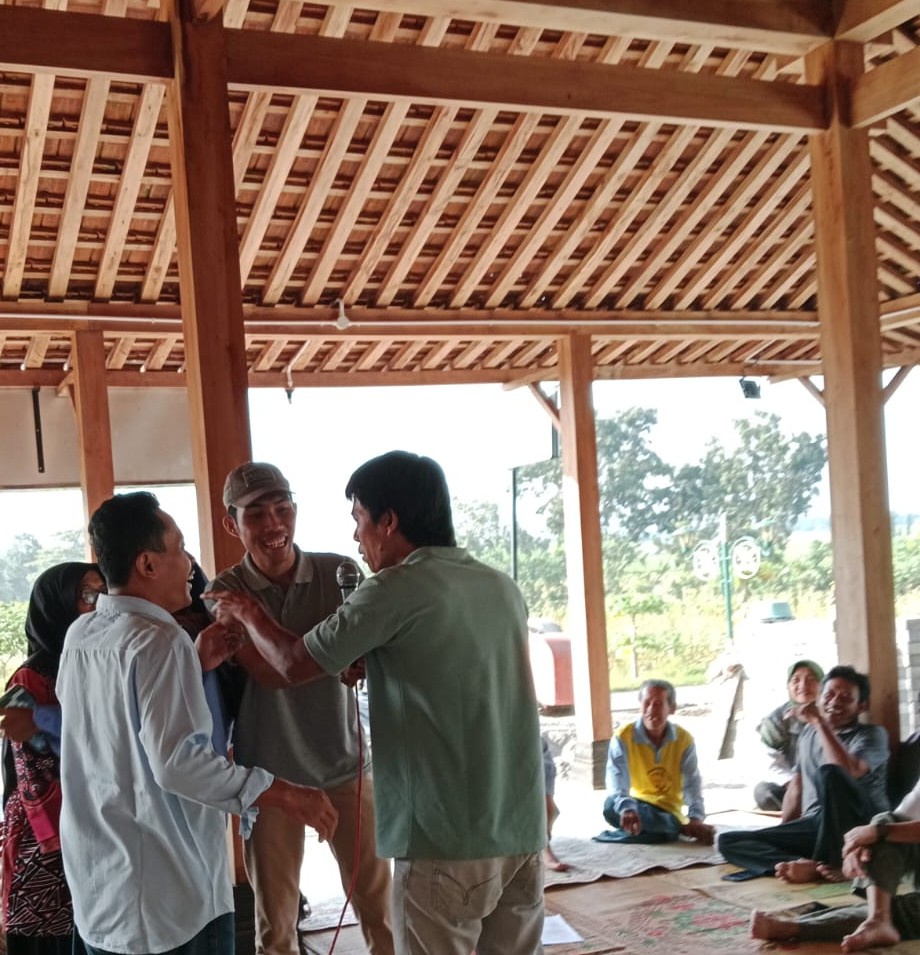
In this activity, participants included PKK cadres (women’s group), health workers, Muslimat and Aisyiyah members (Muslim women’s organizations), disability groups, and village officials (hamlet heads). They took part in role plays and case simulations.
Three groups worked on different scenarios:
- Unwanted pregnancy with threats of online gender-based violence
- Domestic violence
- Sexual violence against persons with disabilities
Viri, a representative from YKPI, explained that a village-level prevention and handling system has three important benefits:
- Accessibility: Problems in the village can be handled quickly by village officials.
- Efficiency: It reduces long bureaucratic processes. Villages don’t need to wait for the district level to respond to emergencies.
- Community-Based Recovery: Victims will continue to live in the village. The best recovery process is one that comes from their own community.
Systematic Handling Flow
Based on the materials developed, the complaint system in Sriharjo Village now follows these steps:
- Report: People can make a complaint online or in person through cadres, the task force, or village officials.
- Coordination: The report is passed to the Handling Coordinator, who decides what to do next.
- Rapid Response: For emergencies or high-risk situations, the team works quickly with medical services (Community Health Center or village ambulance) and the police (local officers).
- Ongoing Support: This includes legal assistance, family support, and referrals to safe houses or psychological services.
- Monitoring: The final step ensures the victim remains safe and helps prevent violence from happening again.
Following Key Ethical Principles
YKPI and the Sriharjo Village Government agreed that all handling of cases must follow seven main principles:
- Always prioritize the safety and best interests of the victim.
- Do not blame the victim, no matter what.
- Keep the victim’s identity and information confidential.
- Show empathy and respect for the victim’s dignity.
- Respect the victim’s rights and choices.
- Work together across sectors: schools, health services, police.
- For child victims, always put the child’s best interests first.
The Village Head of Sriharjo emphasized the importance of a single-door coordination system. “Whoever receives a report, whether a cadre or a hamlet head must immediately contact the Women and Children Protection Task Force. The victim’s interests come first,” he said.
With this draft SOP and clear complaint process, Sriharjo Village has taken a big step forward in protecting its residents. It shows that justice and peace can start from the smallest community level.